

Versione italiana disponibile qui → [IT]
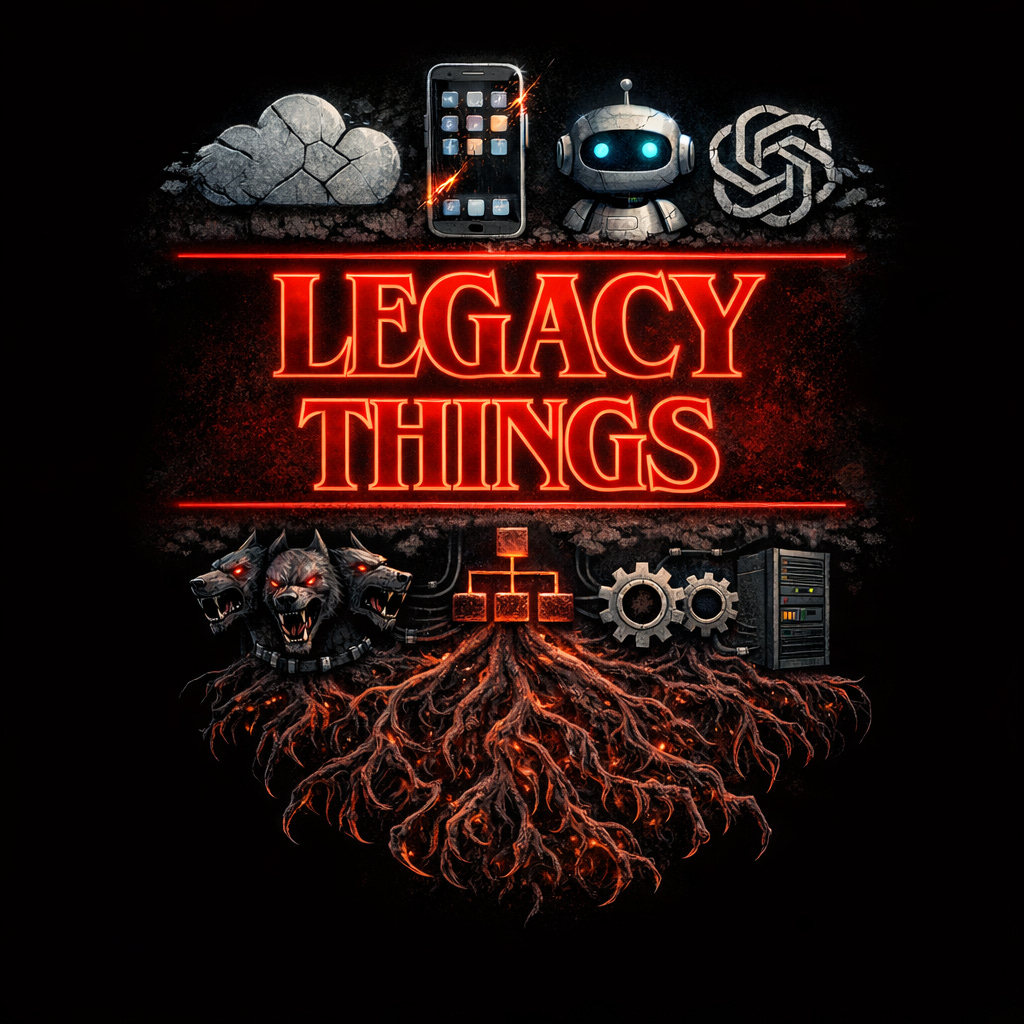
While observing what happens in modern IT infrastructures, I increasingly find myself dealing with malfunctions and inefficiencies that are not caused by bugs or design flaws, but by something much simpler: a knowledge gap.
The new custodians of enterprise infrastructures have grown up in a dynamic environment, where the cloud is the baseline and systems communicate through APIs and modern protocols.
They are highly skilled when it comes to applications, federations, containers, and AI.
Yet many of them have never had the opportunity to truly understand the on‑premise foundations that still hold everything together. And when they are forced to interact with them, they often improvise or rely on questionable answers from AI tools.
Mechanisms that were familiar to those who started their careers with Windows 2000 and the first Active Directory forests have now become puzzling, sometimes incomprehensible.
This is not their fault.
They are simply operating in a time when on‑premise topics have been pushed aside, having lost visibility, interest, and therefore proper documentation and discussion.
These are not topics that generate new business.
They are not showcased in keynotes.
They do not drive marketing narratives.
They remain there, latent, in the shadow of more appealing technologies that dominate technical articles and IT events.
And yet, despite being declared “dead” by many, these technologies have endured for decades and continue to operate — like loyal soldiers who were never told the war was over.
This inevitably leads to cascading effects: a misconfiguration in the foundations of a system can ripple through cloud authentication services or access to SaaS platforms.
What I find most interesting is that, when these topics are properly explained, interest is always high.
The problem is not a lack of curiosity — it is a lack of exposure.
It is from this observation that Legacy Things was born:
a series of articles aimed at exploring mechanisms designed more than twenty years ago that still influence today’s infrastructures, with the hope of closing at least part of this knowledge gap.
In the first chapter, we’ll start from one of those silent mechanisms that has recently shown, in real‑world scenarios, just how deeply the past is still intertwined with the present.